
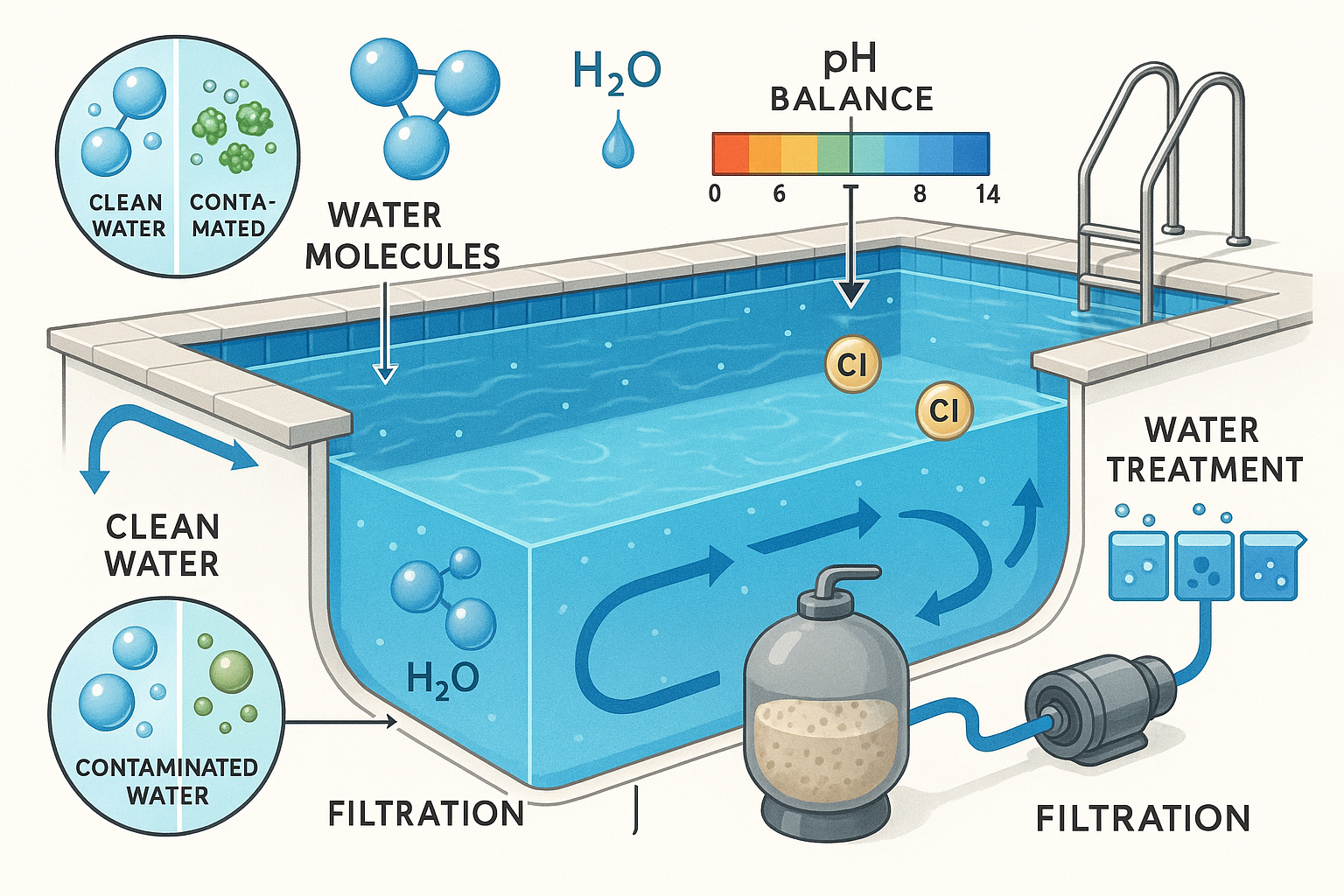
The Science Behind Crystal-Clear Pool Water
The Science Behind Crystal‑Clear Pool Water
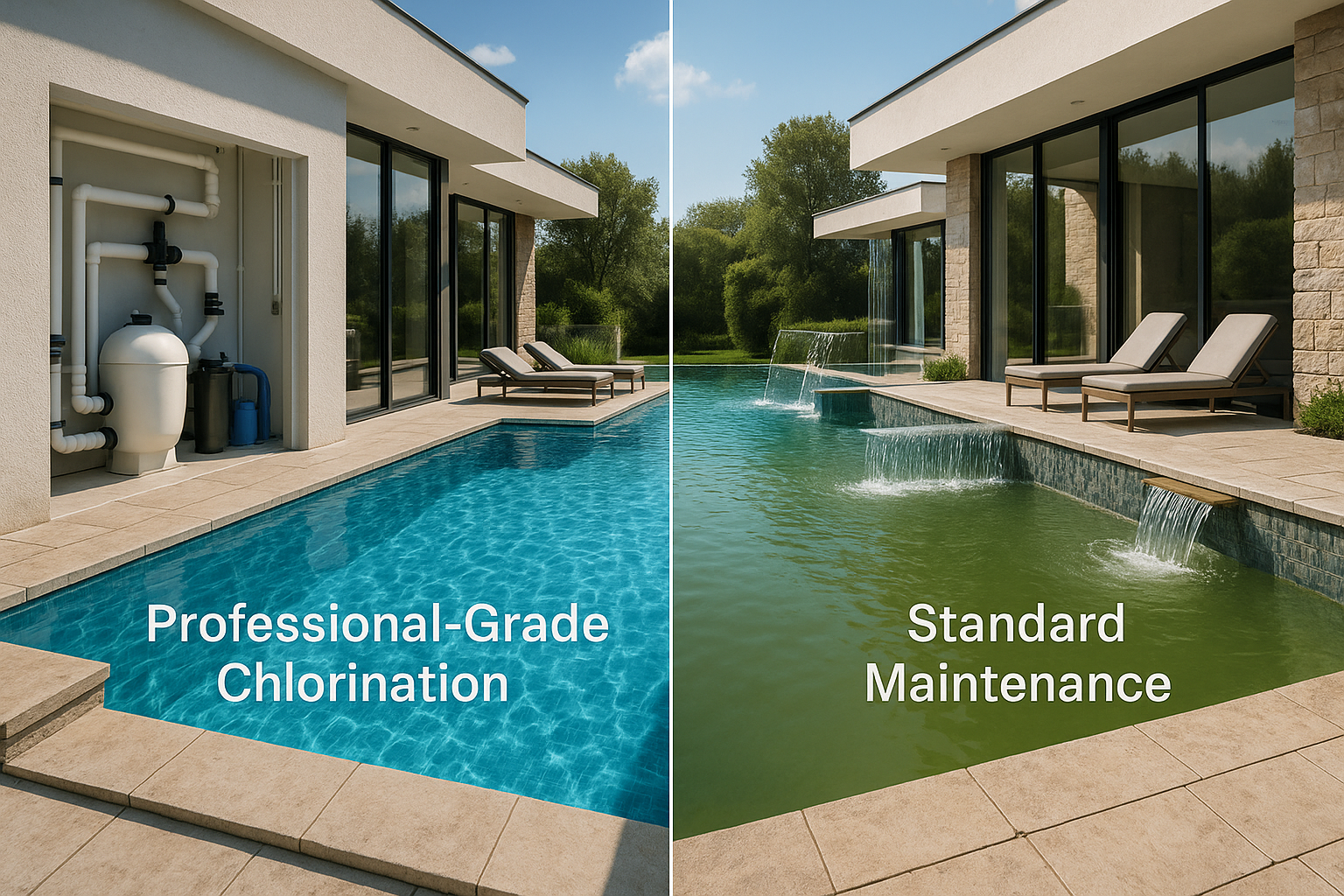
Crystal‑clear pool water is the product of disciplined science and consistent operational practice. For institutional pools—schools, hotels, fitness centers, and municipal facilities—clarity is not only aesthetic but a direct indicator of safety and regulatory compliance. Achieving and sustaining visual clarity requires an integrated program that combines balanced water chemistry, effective mechanical filtration, optimized circulation, and modern sanitization technologies, all supported by documented procedures and trained staff.
Water Chemistry: the foundation of clarity
Balanced chemistry is the single most important factor in preventing cloudiness, scaling, and corrosion. Maintain pH between 7.2–7.6, keep free chlorine at recommended residuals, and monitor total alkalinity and calcium hardness to avoid rapid swings and particulate formation. Regular testing—daily for high‑use facilities—and logging of results enable trend analysis and early corrective action. When combined chlorine (chloramines) rises, oxidation or shock treatment restores disinfectant efficacy and swimmer comfort.
Filtration and circulation: the mechanical backbone
Filtration removes visible debris and microscopic particles that scatter light and cause cloudiness. Choose the right system—sand, cartridge, or diatomaceous earth (DE)—based on facility needs, water quality goals, and maintenance capacity, and adhere to scheduled backwashing, cartridge cleaning, or media replacement. Proper turnover rate and balanced hydraulics eliminate dead zones where contaminants accumulate; ensure pumps, valves, and return fittings are sized and positioned to deliver uniform flow. Periodic hydraulic audits and pump maintenance preserve filtration performance and reduce energy waste.
Advanced sanitization technologies and integration
Modern sanitization methods complement chlorine to improve clarity and reduce chemical dependency. UV systems inactivate pathogens and reduce chloramine formation, ozone provides powerful oxidation with minimal residuals, and saltwater chlorination offers steady, low‑maintenance disinfection. These technologies are most effective when integrated with a robust chemical program and continuous monitoring. Selecting the right combination depends on facility size, bather load, regulatory requirements, and lifecycle cost analysis.
Preventive care and operational best practices
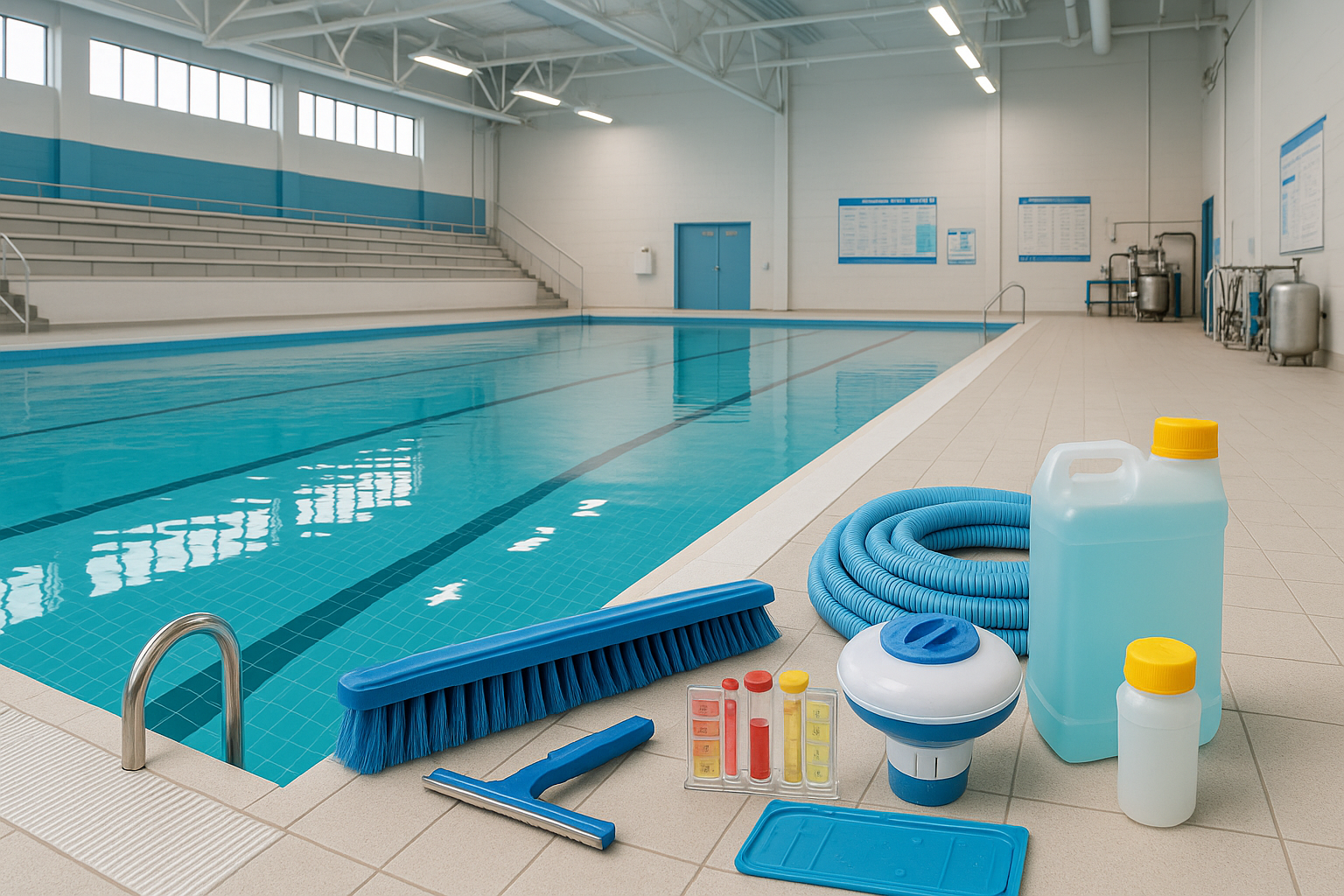
Preventive maintenance minimizes the organic load and physical particulates that undermine clarity. Implement daily skimming, routine brushing, and targeted vacuuming to remove biofilm and debris before they tax the chemical program. Use clarifiers to aggregate fine particles for filtration and schedule preventive algaecide dosing during warm months or high‑use periods. Maintain written SOPs for testing frequency, shock protocols after contamination events, and escalation steps for blooms, and ensure staff are trained to follow and document each action.
Sustainability, safety, and compliance
Sustainable choices reduce operating costs while maintaining public health standards. Adopt eco‑friendly chemicals, variable‑speed pumps, and smart monitoring systems to optimize chemical dosing and energy use. Keep MSDS documentation accessible, train staff on PPE and emergency procedures, and maintain treatment logs to satisfy inspections. Regular audits, preventive maintenance, and investment in modern sanitization technologies deliver predictable clarity, improved swimmer satisfaction, and lower long‑term operational risk.

Leave a comment
This site is protected by hCaptcha and the hCaptcha Privacy Policy and Terms of Service apply.