
Article: Effective Algae Control for Institutional Pools
Effective Algae Control for Institutional Pools
Effective Algae Control for Institutional Pools
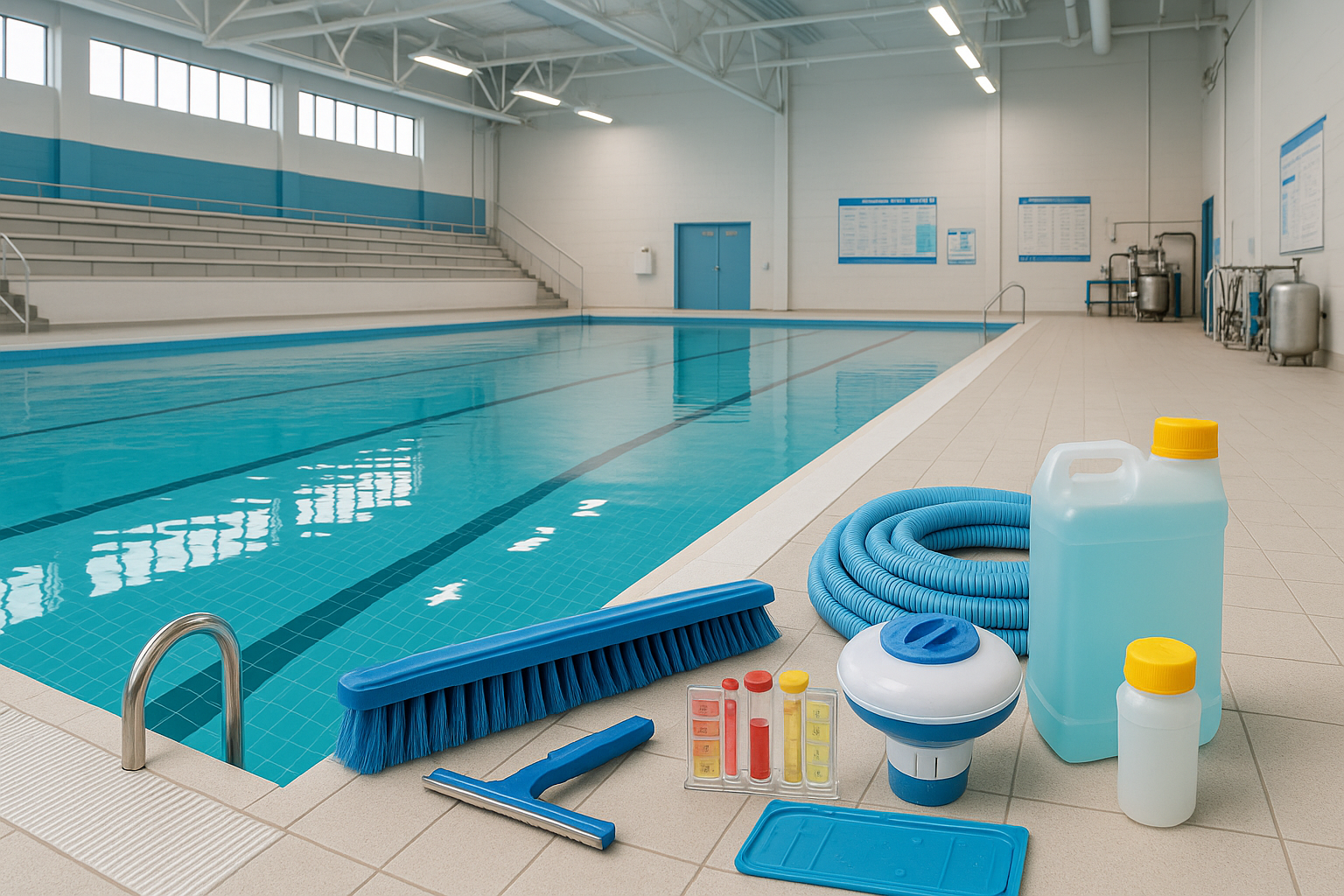
Algae growth is a persistent operational challenge for institutional pools—schools, hotels, fitness centers, and municipal facilities—where high bather loads and strict health standards demand consistent water quality. Effective algae control begins with understanding the science: algae spores thrive in warm, sunlit water and multiply rapidly when organic contaminants raise chlorine demand. For facility managers, the foundation of prevention is balanced water chemistry, reliable filtration, and a documented maintenance routine that prioritizes testing, circulation, and surface cleaning.
Causes and Risk Factors
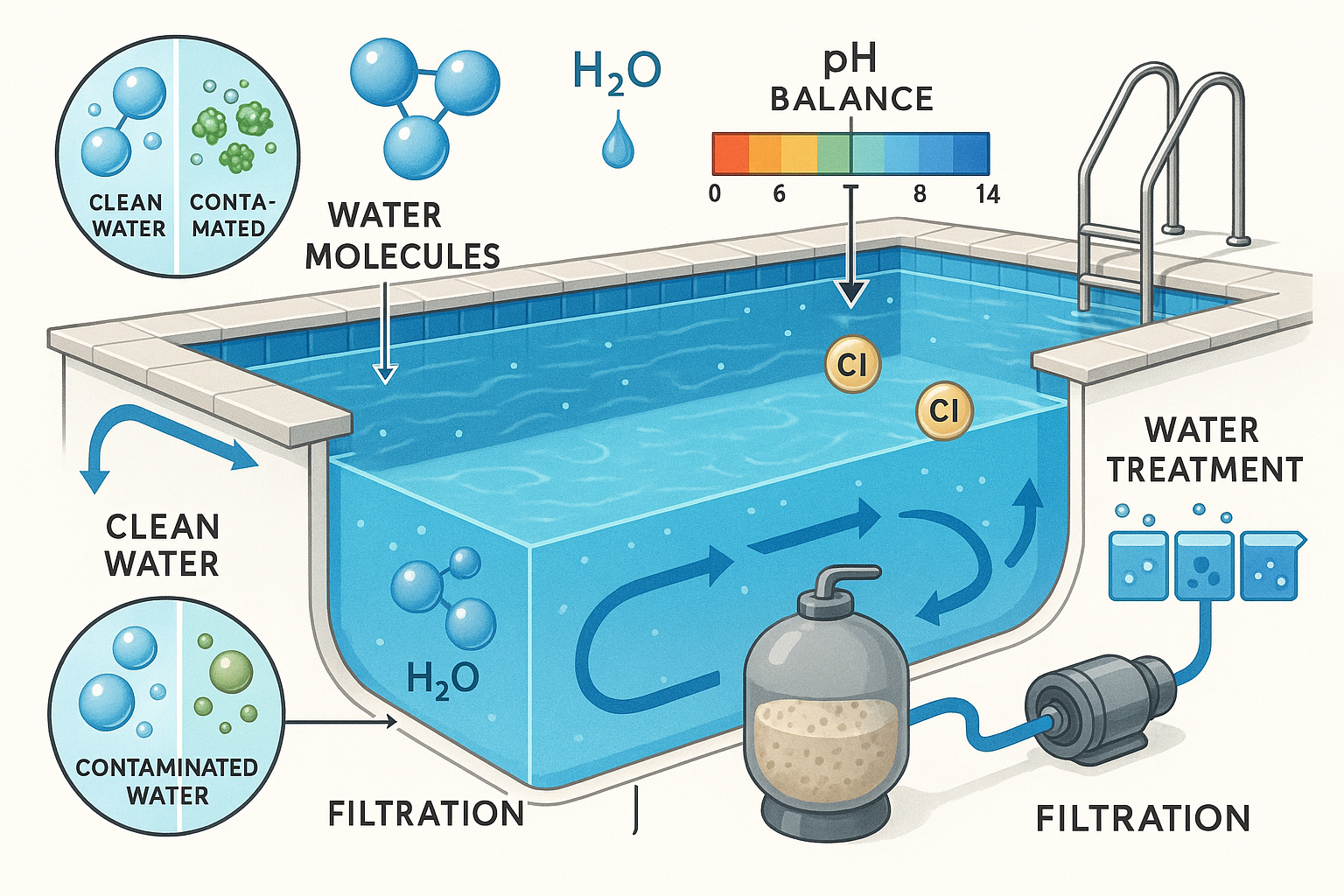
Several environmental and operational factors increase algae risk in commercial pools. Warm temperatures and direct sunlight accelerate algal reproduction, while heavy bather loads introduce sweat, cosmetics, and other organics that consume disinfectant. Inadequate turnover rates, clogged or poorly maintained filters, and inconsistent dosing create pockets where spores can survive and recolonize. Recognizing these risk factors allows operators to target weak points in their maintenance program before a visible bloom appears.
Preventive Maintenance Program
A proactive maintenance program is the most cost‑effective way to keep algae at bay. Implement daily testing for free chlorine, combined chlorine, pH, and cyanuric acid, and log results for trend analysis. Maintain free chlorine and pH within recommended ranges, run filtration to meet the facility’s required turnover rate, and schedule routine brushing and vacuuming to remove biofilm. Preventive algaecide dosing—applied at manufacturer‑recommended intervals—adds a layer of protection, especially during warm months or after heavy use events.
Treatment and Remediation Steps
When algae appear, follow a clear, step‑by‑step remediation plan: test and record baseline chemistry, brush all pool surfaces to dislodge algae, and perform a chlorine shock sized to the pool volume and contamination level. Apply a targeted algaecide if the bloom persists, then run the filter continuously while backwashing or cleaning filter media as needed. Use clarifiers to aggregate fine particles for removal and repeat testing until free chlorine and clarity are restored. For stubborn blooms, consult product labels and consider professional support to avoid overuse of harsh chemicals.
Compliance, Safety, and Sustainability
Institutional operators must balance performance with safety and regulatory compliance. Store and handle chemicals according to MSDS guidance, train staff on PPE and emergency procedures, and document treatments to meet public health reporting requirements. Where possible, choose eco‑friendly algaecides and sequestrants that reduce environmental impact without compromising efficacy. Regular audits, staff training, and a written algae control SOP help minimize downtime, reduce operational costs, and maintain a safe, enjoyable swimming environment for all users.

4 comments
Please call back the explanation, 9959598384
Jayanthi
Please call back for some explanation of how and when to use these
Jayanthi
Contact number pizz
Durgesh Chaudhari
Contact number pizz
Durgesh Chaudhari
Leave a comment
This site is protected by hCaptcha and the hCaptcha Privacy Policy and Terms of Service apply.